
Cowhide vs. Sheepskin vs. Goatskin: A Bag Manufacturer’s Guide to Leather Types, Durability and Care
Cowhide vs. Sheepskin vs. Goatskin: A Bag Manufacturer’s Guide to Leather Types, Durability and Care
Ask a shopper what leather is, and you will get a confident answer. Ask what kind of leather a bag is made from, and the confidence evaporates. “Leather” is not one material — it is a family of materials, and the differences between them are as dramatic as the differences between hardwoods and softwoods in furniture. A cowhide tote and a sheepskin crossbody are both “leather,” and they behave about as similarly as oak and balsa.
In our factory, the animal species is one of the first decisions on every new product. Cowhide, sheepskin, and goatskin have different fiber structures, different strengths, different weights, and different care requirements. Beyond the species, finishing traditions — vegetable tanning, waxed pull-up treatments — add another layer of personality. Choose the right combination and the bag exceeds expectations; choose the wrong one and no amount of craftsmanship can save it.
This guide walks through the leather types we work with every week, from a manufacturer’s perspective: where each leather’s character comes from, how they compare in durability and feel, how to care for each one, and how to match the leather to the bag — and to the customer who will carry it.
- The Animal Matters: Where Leather Character Comes From
- Cowhide: The Workhorse of the Bag World
- Sheepskin: Softness and Elegance
- Goatskin: The Underrated Performer
- Beyond the Animal: Vegetable-Tanned and Waxed (Pull-Up) Leather
- Leather Types Compared: A Manufacturer’s Reference Table
- From the Factory Floor: How We Choose Between Leather Types
- Durability: What Each Leather Survives (and What Kills It)
- Care by Leather Type: A Practical Guide
- Common Misconceptions About Leather Types
- Frequently Asked Questions
- Final Word from the Factory
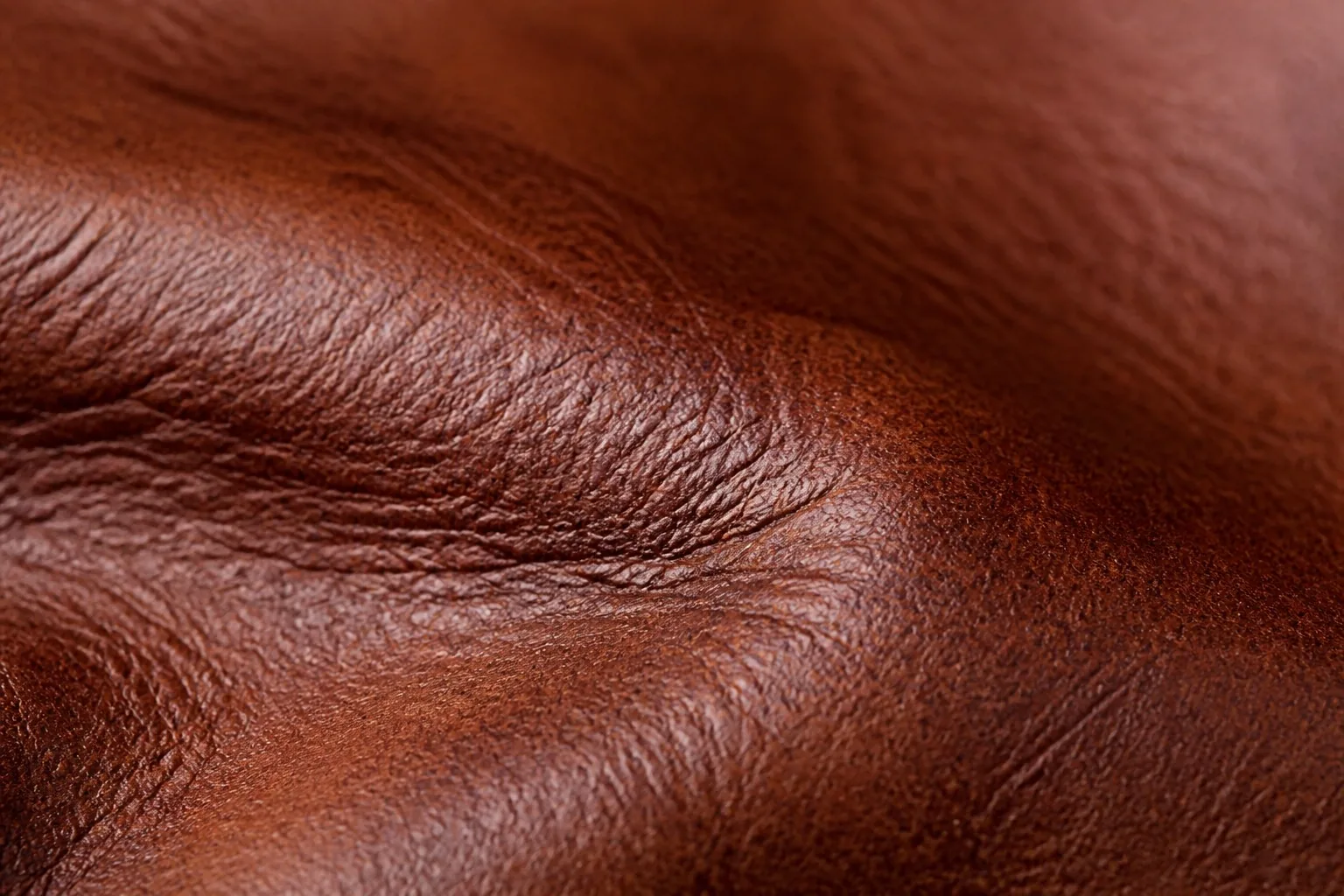
The Animal Matters: Where Leather Character Comes From
Leather is animal skin, and every animal’s skin is a different material. The fiber structure of the hide — how densely the collagen fibers are woven, how thick the layers are, and how the grain is patterned — is determined by the animal’s biology and its life. A cow’s hide is built for toughness and scale; a sheep’s hide is built for softness; a goat’s hide is built for flexibility and abrasion resistance.
Two implications follow, and both matter enormously for bag design. First, the species determines the leather’s inherent properties — strength, weight, softness, and grain — before any tanning or finishing happens. Second, the species determines which bag types the leather can honestly serve. You cannot make a rugged commuter backpack from the same leather that makes an elegant evening clutch, and you should not try.
The industry convention is to name leathers by their species — cowhide, sheepskin, goatskin, pigskin, deerskin — and by their finishing tradition. The combination of the two is what we mean when we say “leather type,” and understanding both halves is the difference between a generic label and a real material decision.
Cowhide: The Workhorse of the Bag World
Cowhide is the backbone of the leather bag industry, and it earns that position through sheer practicality.
The material. A cowhide is large — often 40 to 60 square feet from a single hide — thick, and densely fibered. Its grain is bold and visible, with natural markings that give each hide character. Cowhide takes all the major tanning methods well, from vegetable to chrome, and can be finished in an enormous range of styles, from matte natural to glossy coated.
Why manufacturers rely on it. Cowhide offers the best balance of durability, workability, and cost in the industry. It is strong enough for structured bags, heavy enough for daily abuse, and available in consistent supply at every quality level. Its large size means efficient cutting yields — more usable panels per hide — which keeps production costs down. For most bag categories, from work totes to diaper bags, cowhide is the default answer, and it is the answer that works.
The honest trade-offs. Cowhide is heavy compared with other leathers, and its bold grain can look rugged rather than refined. It is not the leather for delicate, feminine designs or for products where weight matters. But for anything that must survive daily life, cowhide is the material that quietly does the job.
Sheepskin: Softness and Elegance
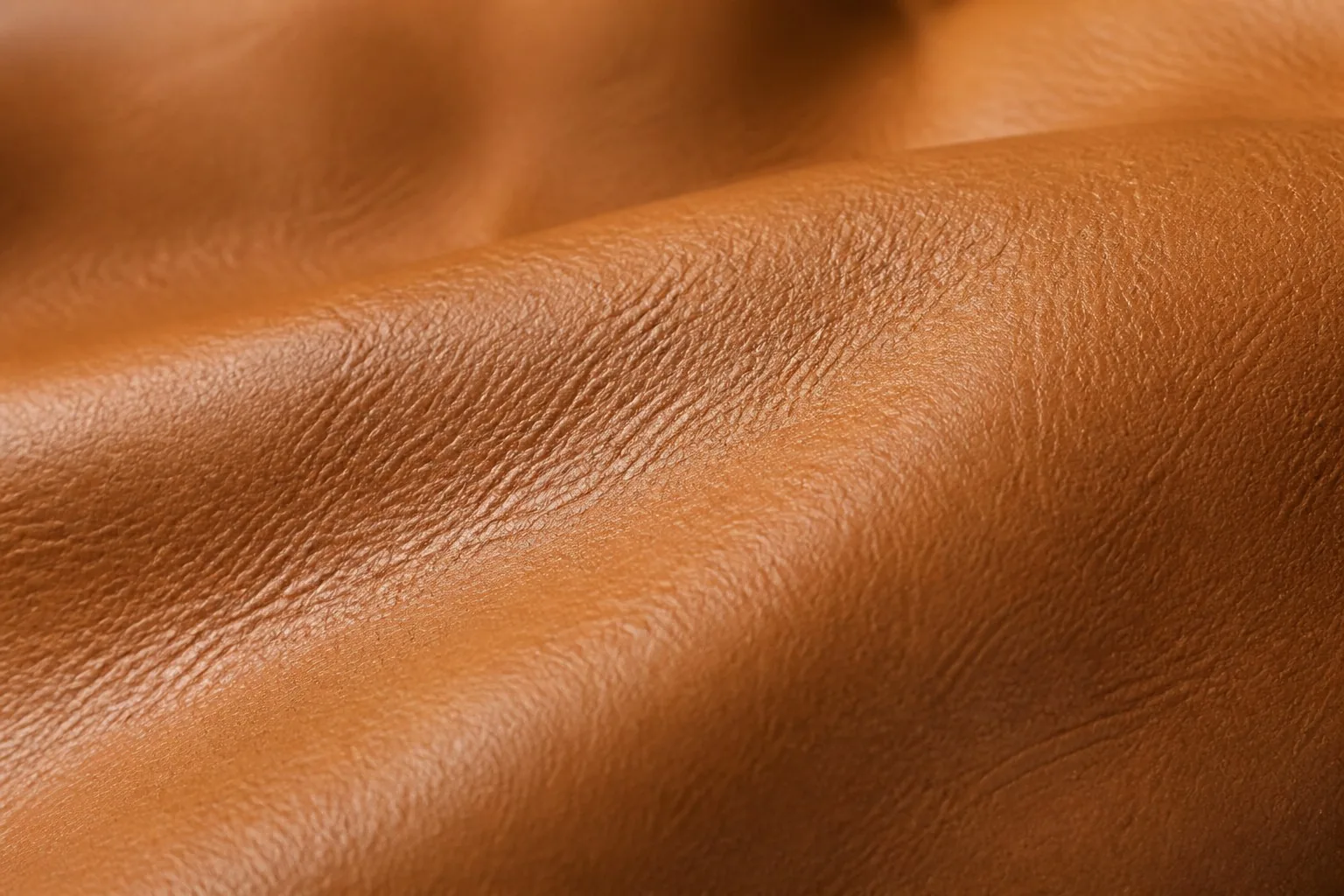
Sheepskin — and its finer sibling lambskin — is the leather of elegance, prized for a softness that no cowhide can match.
The material. Sheep hides are thin, light, and loosely fibered, which gives the finished leather its famous drape and suppleness. The grain is fine and delicate, almost silky to the touch, and the leather takes rich dyes with a depth that heavier leathers rarely achieve. A sheepskin bag feels expensive the moment you pick it up.
Why designers love it. Sheepskin is the choice for soft, unstructured designs — slouchy handbags, elegant clutches, and garments. Its light weight makes it comfortable for all-day wear, and its fine grain photographs beautifully, which makes it a favorite for fashion brands. In the hand, no leather says “premium” faster.
The honest trade-offs. Sheepskin is the least durable of the three major bag leathers. It scratches more easily, abrades faster, and is more vulnerable to moisture and staining. It also requires more care and more frequent conditioning. Sheepskin belongs in bags that are worn gently and loved carefully — not in commuter backpacks or diaper bags. Many brands use sheepskin precisely because its delicacy signals luxury; the skill is in matching that message to the right product.
Goatskin: The Underrated Performer
Goatskin is the best-kept secret of the leather industry — a material that outperforms both cowhide and sheepskin in several key respects, yet rarely gets the marketing attention it deserves.
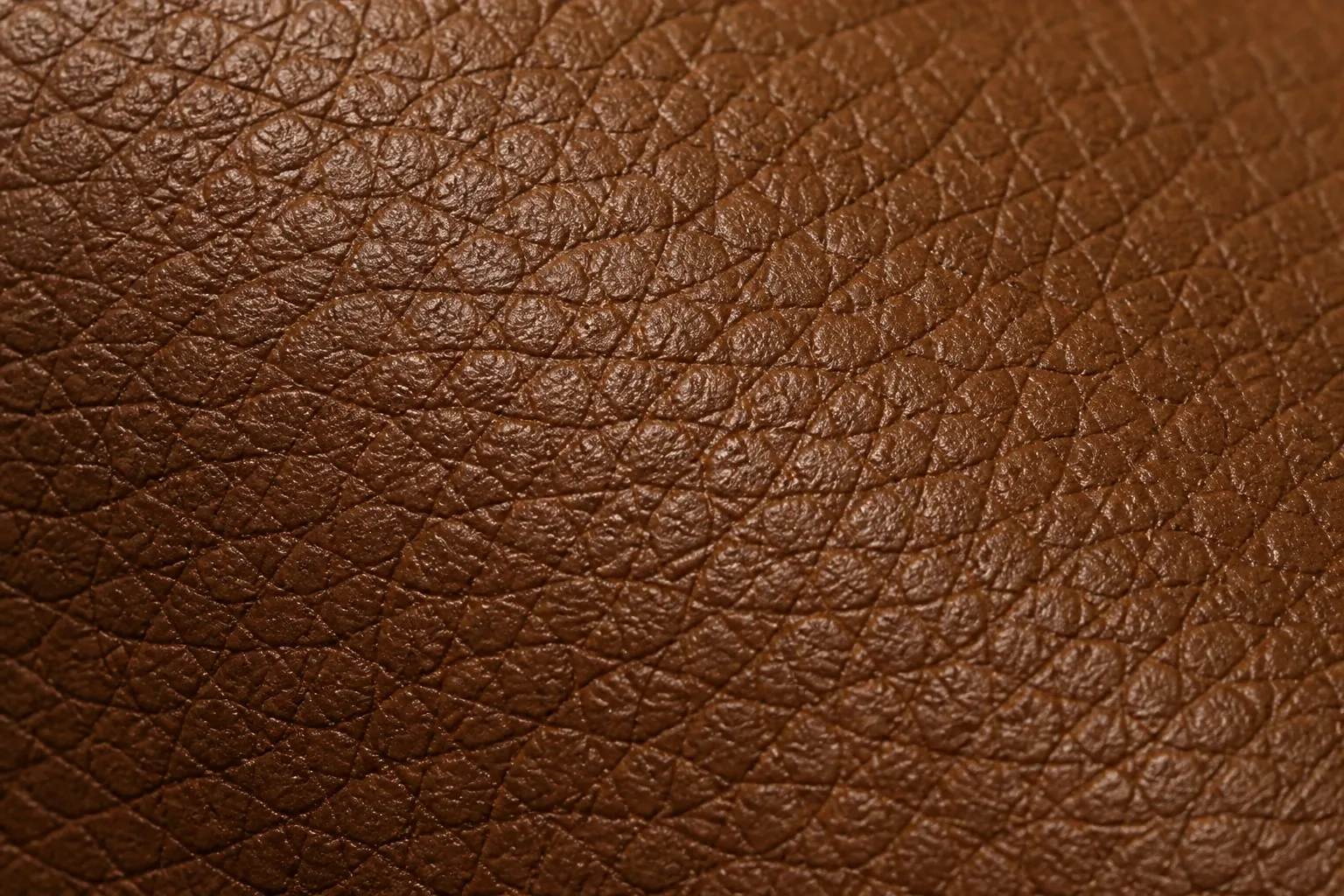
The material. Goat hides are small and tightly fibered, with a distinctive fine pebbled grain that is almost impossible to replicate synthetically. The fiber weave is extremely tight, which gives goatskin exceptional strength relative to its weight — in many tests, goatskin is more abrasion-resistant than cowhide at the same thickness, while being noticeably lighter and softer.
Why professionals respect it. Goatskin offers a rare combination: softness approaching sheepskin, durability approaching cowhide, and a distinctive texture all its own. It is the traditional leather for gloves, which endure constant flexing and abrasion, and it makes superb small bags, wallets, and crossbody bags. Its light weight and natural strength make it an excellent choice for products that must be both durable and comfortable.
The honest trade-offs. Goatskin hides are small, which means more panels per product and slightly higher cutting costs. Its pebbled grain is a distinctive look that not every brand wants. And goatskin can be firm initially, needing a short break-in period. For the right product, however, goatskin delivers a durability-to-weight ratio that no other leather matches.
Beyond the Animal: Vegetable-Tanned and Waxed (Pull-Up) Leather
The species sets the raw material; the finishing tradition sets the personality. Two finishing styles deserve special attention because they change how any leather behaves.
Vegetable-tanned leather. As covered in our tannage guide, vegetable tanning uses plant extracts over weeks or months. The result is firm, dense, and thirsty for patina — it darkens and glows with use. Vegetable tanning is most commonly applied to cowhide, and it transforms a workhorse into a heritage material: toolable, edge-burnishable, and capable of aging into something genuinely beautiful. If your brand story is about natural character, vegetable-tanned cowhide is the classic vehicle for it.
Waxed and pull-up leather. Pull-up leather is tanned, then saturated with natural oils and waxes. When the surface is flexed or rubbed, the oils migrate and reveal a lighter shade underneath — the leather visibly “pulls up” color at creases and edges. The effect is dramatic and desirable: a waxed bag develops a rich, distressed character with every wear, and scratches and creases become features rather than flaws. Pull-up leather is usually cowhide, and it suits casual, heritage, and rugged styles perfectly.
A manufacturer’s rule: the species provides the skeleton, the tannage provides the behavior, and the finish provides the personality. All three must be chosen together — and chosen for the product, not for the label.
Leather Types Compared: A Manufacturer’s Reference Table
| Property | Cowhide | Sheepskin | Goatskin |
|---|---|---|---|
| Fiber density | High | Low | Very high |
| Softness | Medium | Highest | High |
| Durability | High | Medium | Very high (per weight) |
| Abrasion resistance | High | Low–medium | Very high |
| Weight | Heaviest | Light | Light |
| Grain character | Bold, natural | Fine, silky | Pebbled, distinctive |
| Break-in period | Short | None | Short |
| Patina potential | High (veg-tan) | Low | Medium |
| Care effort | Low–medium | High | Medium |
| Relative cost | Lowest | Highest | Medium-high |
| Best bag uses | Totes, backpacks, diaper bags, work bags | Evening bags, soft fashion bags | Crossbody, wallets, gloves, small bags |
This table is the starting point for every material conversation we have. The next sections explain how it translates into factory decisions, real-world durability, and customer care.
From the Factory Floor: How We Choose Between Leather Types
The species decision follows the same disciplined logic as every other material choice in our factory. Here is the checklist we run through — and that you can use when briefing your own manufacturer.
1. Match the leather to the bag’s daily life. A commuter backpack needs cowhide’s toughness. An evening clutch needs sheepskin’s elegance. A crossbody that endures constant rubbing against clothing needs goatskin’s abrasion resistance. Write down what the bag must survive, and let the species follow.
2. Consider the weight budget. Cowhide is heavy; sheepskin and goatskin are light. For bags carried all day — crossbody bags, diaper bags, backpacks — weight is a comfort issue, not a detail. If the design demands light weight with real durability, goatskin is frequently the answer that combines both.
3. Check the design’s structure requirements. Structured bags need the firmness of cowhide, especially vegetable-tanned. Soft, slouchy designs need sheepskin’s drape or a supple chrome-tanned goatskin. Ask what silhouette the design requires before choosing the species, because the leather must serve the shape.
4. Evaluate the cutting cost honestly. Cowhide’s large size means efficient yields and lower per-panel cost. Goatskin’s small hides mean more panels and higher cutting waste. Sheepskin sits in between but commands a premium raw-material price. The species choice changes the unit cost more than most brands expect.
5. Test abrasion with real fabric. For products that rub against clothing — crossbody straps, hip-level bags — we rub a denim swatch across the sample a hundred times and inspect the surface. This single test separates cowhide and goatskin from sheepskin faster than any specification sheet.
6. Match the care message to the customer. Sheepskin demands care instructions and a delicate-customer promise. Cowhide and goatskin are more forgiving. Decide what care burden your customer can realistically handle, and let that inform the species for mass-market products.
Durability: What Each Leather Survives (and What Kills It)
Cowhide. Cowhide survives daily use, heavy loads, and years of honest wear. Its threats are neglect — prolonged sun, heat, and soaking — and, in cheaper grades, thin finishes that crack at flex points. Well-cared-for cowhide is a decade-plus material.
Sheepskin. Sheepskin survives elegance, not abuse. It scratches, scuffs, and stains more readily, and its looser fibers stretch under heavy loads. Its threats are rough surfaces, moisture, and sharp objects. Treated gently, a sheepskin bag can still last for years; treated roughly, it shows every incident.
Goatskin. Goatskin survives abrasion remarkably well — it is the leather that shrugs off rubbing and flexing. Its threats are more subtle: it can stretch under sustained heavy loads, and its distinctive grain can wear smooth in high-contact areas. For its weight, no leather in this guide survives more.
What kills any leather. Heat, prolonged direct sunlight, and trapped moisture are the three universal enemies. Heat drives out oils and causes cracking; sunlight fades and weakens fibers; moisture, especially when the bag is stored damp, causes staining and mildew. Structure the care guidance around these three threats and every leather type will serve its customer longer.
Durability in production. Durability is also engineered at the factory, not just inherited from the animal. Reinforced stress points, properly skived folds, quality thread, and correct hardware all determine how long a bag survives, regardless of species. We test every prototype with loaded-weight flexing and drop tests, and we have seen a well-made goatskin crossbody outlast a poorly made cowhide tote. When you evaluate durability, look at the construction as carefully as the material — the two work together, and neither can compensate for the other.
Care by Leather Type: A Practical Guide
Care is not a luxury for leather — it is the difference between a product that lasts a decade and one that disappoints in a year. Here is the practical routine we recommend for each type.
| Leather type | Daily care | Monthly | Notes |
|---|---|---|---|
| Cowhide (finished) | Wipe with dry soft cloth; blot spills promptly | Damp-cloth clean; condition 2–4×/year | Test conditioner on a hidden area first |
| Cowhide (veg-tan) | Embrace patina; brush off dust | Condition 3–4×/year with natural balm | Expect darkening with sun and oils |
| Waxed / pull-up | Rub creases with fingers to re-distribute wax | Re-wax sparingly if surface looks dry | Scratches are features — do not fight them |
| Sheepskin | Handle gently; avoid rough surfaces | Condition monthly with light leather cream | Water stains quickly — dry immediately, never soak |
| Goatskin | Wipe clean; protect from sharp objects | Condition 2–3×/year | Great abrasion resistance, but avoid overloading |
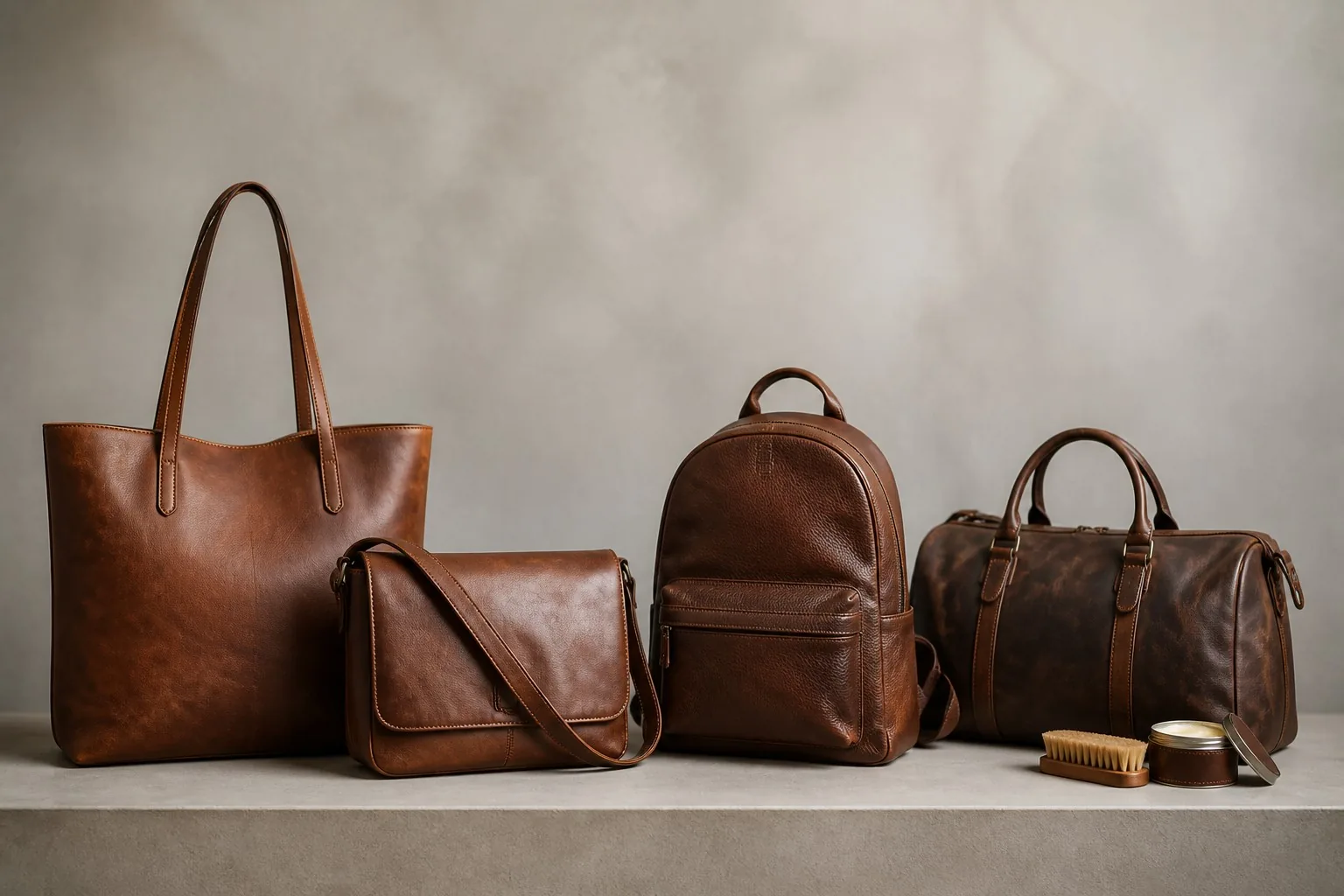
The universal rules. Store bags away from direct sunlight and heat, in a dust bag, lightly stuffed to hold shape. Never soak leather, never dry it with heat, and never use silicone-based “leather sprays” on unfinished leathers. A small care card included with the product — specific to the leather type — is one of the cheapest quality improvements a brand can make.
Common Misconceptions About Leather Types
“Sheepskin is fragile, so it is low quality.” Sheepskin is not low quality — it is a different quality. Its delicacy is the reason it feels luxurious, and it is the correct choice for products that demand softness and elegance. The mistake is using it where durability is required, not the material itself.
“Goatskin is exotic and expensive, so it must be the best.” Goatskin is neither exotic nor always the best. It is a practical, hard-wearing material that outperforms expectations in abrasion and weight, but for heavy structured bags, cowhide remains the superior choice. “Best” is always relative to the product.
“Thicker leather always means tougher leather.” Not necessarily. Fiber density matters as much as thickness. A tightly fibered goatskin at 3 oz can out-resist a loosely finished cowhide at 5 oz. Thickness and density are two different variables, and both must be specified.
“All cowhide is the same.” Cowhide ranges from premium vegetable-tanned full-grain to heavily finished budget hides — an enormous performance spread. The species is only the beginning of the specification, not the end of it.
“Waxed leather is dirty.” Pull-up leather is not dirty — the color variation is intentional and desirable. The waxed character is the product’s personality, and its creases and color shifts are exactly what buyers of that style want.
“Exotic leathers are automatically better than cowhide.” Species is not a quality ranking. Exotic and specialty leathers — sheepskin, goatskin, deerskin, and others — each excel at specific jobs, and each has weaknesses. Cowhide remains the best choice for the majority of bags because it balances durability, cost, and workability better than anything else at its price. Choose the species for the product, not for the prestige of the label.
Frequently Asked Questions
Which leather type is the most durable for bags?
For overall durability, cowhide is the industry standard — it is thick, densely fibered, and survives daily abuse. For durability relative to weight, goatskin is the standout: it resists abrasion better than cowhide at the same thickness while being lighter. Sheepskin is the least durable of the three.
Is sheepskin suitable for everyday bags?
Only for gentle, light-use products. Sheepskin scratches and stains easily, so it suits elegant, occasion-wear bags rather than commuter backpacks or diaper bags. For everyday durability, cowhide or goatskin is the honest choice.
What is the difference between cowhide and goatskin?
Cowhide is thicker, larger, and bolder-grained — the workhorse for structured and heavy-duty bags. Goatskin is lighter, tighter-fibered, and more abrasion-resistant per unit of weight, with a distinctive pebbled grain — ideal for crossbody bags, wallets, and gloves.
How do I care for waxed pull-up leather?
Rub creases with your fingers to redistribute the wax, and re-wax sparingly when the surface looks dry. The color shifts and marks that develop are the leather’s character — embrace them, and do not try to remove them with cleaning products.
Does vegetable-tanned cowhide need more care than chrome-tanned?
Yes, somewhat. Vegetable-tanned leather is more sensitive to water and requires regular conditioning to stay supple. In exchange, it develops the most beautiful patina of any leather. Chrome-tanned cowhide is more water-resistant and lower-maintenance.
Which leather is best for a diaper bag?
Water-resistant chrome-tanned cowhide at 4–5 oz with reinforced stress points is the reliable choice — it survives spills, weather, and daily abuse. Goatskin works for lighter designs, but avoid sheepskin entirely for this category.
How can I tell what animal a leather comes from?
The grain pattern is the best clue. Cowhide has bold, open grain with visible markings; sheepskin has a fine, almost silky grain; goatskin has a distinctive tight pebbled texture. Species should also be stated on a proper material declaration — ask the seller for it.
Final Word from the Factory
The species question is where leather knowledge begins. Two bags can both carry the label “leather” and share almost nothing else — one rugged enough for a decade of commutes, the other delicate enough to require its own care routine. The brands that understand the difference build products that match their promises, and the customers who understand it buy products that match their lives.
At our factory, we keep cowhide, sheepskin, and goatskin in the material room every day, and we have learned to respect each one’s strengths and limits. We have also learned that the most expensive leather is not always the right one, and the most durable is not always the most appropriate. The right choice is the one that fits the design, the price, and the customer — and that fit is a decision made with knowledge, not with labels.
When you plan your next bag line, ask the material question properly. Not “what leather should we use,” but “what species, what tannage, what thickness, and what finish — and why each one?” The answers will tell you more about a factory than any portfolio, and they will guide you to the bag your customers will carry, love, and keep for years.
