
What Should a Factory Do When a Defect Rate Suddenly Rises?
What Should a Factory Do When a Defect Rate Suddenly Rises?
One morning the rejection rate on a bag line goes from two per cent to eleven per cent. Nobody changed the specification, nobody changed the operator, and the leather looks the same as last week. The next few hours decide whether the factory ships a batch of faulty bags or loses two days and keeps its customer.
A defect spike is a management event, not a quality-inspector event. It requires someone with the authority to stop a line, a way to separate suspect work, and a method for finding the cause before the cause moves. This guide sets out the order of operations we use on our own lines: contain first, investigate second, correct third, and only then decide what ships.
It is worth separating this from the two subjects it sits between. Finding defects at the operation that made them is an inspection question, covered elsewhere. Diagnosing a hide’s faults at goods-in is a material grading question, also covered elsewhere. What follows is what a factory does when a rate that was stable becomes unstable.
- The First Hour
- Defining “Suddenly” With Numbers
- Containment: The Part That Cannot Wait
- Sorting What Is Already Made
- Grading the Suspect Work
- Finding the Cause
- The Usual Suspects in a Bag Factory
- When the Cause Is the Leather
- When the Cause Is the Machine
- When the Cause Is People
- When the Cause Is the Specification
- Corrective Action That Sticks
- The Paper Trail a Spike Needs
- When the Spike Crosses a Shipment Date
- Spikes on a New Style’s First Run
- Spikes Caused by a Substitution
- Two Spikes at Once
- The Role of the Brand’s Inspector
- Recovering the Line After Containment
- Keeping a Record of Spikes
- Training the Response
- Communication During a Spike
- Deciding What to Ship
- Humidity, Heat and Seasonal Effects
- Costing the Event
- Small Factories Without a Quality Department
- Learning After the Event
- What the Brand Should Not Do
- Preventing the Next Spike
- Frequently Asked Questions
- Conclusion
The First Hour
Stop, Contain, Then Think
The first hour is not for analysis. It is for stopping the production of suspect goods, marking what has already been made, and naming who is in charge of the response. Analysis can wait an hour; a thousand more units cannot.
What Not to Do First
Do not reassure the customer before you know the scope, do not blame an operator on the first shift, and do not turn up the inspection intensity and call it a solution. Each of those makes the real cause harder to find.
Who Takes Charge
One person, with authority over the line, chairs the response. In most factories that is the production manager; in a small workshop it is the owner. A response chaired by someone who cannot stop the line produces notes and no containment.
Defining “Suddenly” With Numbers
What a Normal Rate Looks Like
A rise can only be measured against a baseline, and many factories do not have one. If nobody can state last month’s rejection rate for this style, the first task is to reconstruct it from inspection records.
The Baseline You Need
Three numbers are enough to start: the rate for this style, the rate for this line, and the rate for this operation. A spike usually shows in one of the three long before it shows in the finished-goods figure.
When a Rise Is Noise
Small volumes produce jumpy percentages. Five rejects out of forty looks alarming and may be arithmetic. Before reacting, compare counts over comparable volumes, and check whether the rise survives a second day.
Containment: The Part That Cannot Wait
Segregate by Time, Not by Guess
The reliable boundary is time: everything made since the last known-good check, on the affected operation, is suspect. Guessing by appearance leaves the worst units in circulation, because they are the ones that look acceptable.
Quarantine Tagging
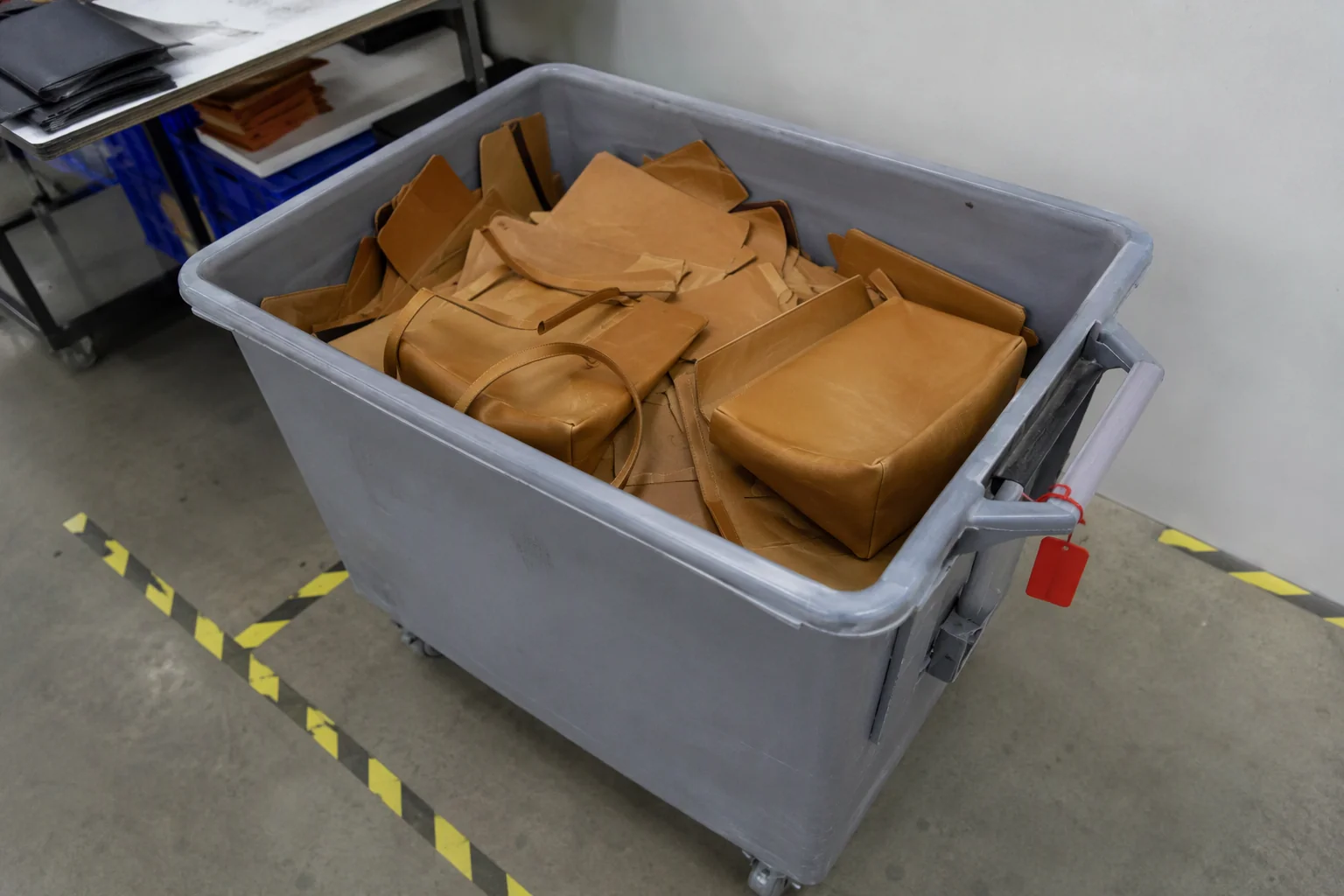
Suspect work is moved to a marked area with a tag that states what it is, when it was made and who isolated it. A pile without a tag becomes production stock within a day, usually by accident.
What to Do With Work in Progress
Work in progress is frozen at its current stage rather than finished. Completing suspect units consumes material and labour on goods that may be scrapped, and it destroys the evidence of where the fault entered.
Sorting What Is Already Made
100% Inspection as a Temporary Tool
Full inspection is the correct response to a containment problem and the wrong response to a cause. Use it to protect the customer while the cause is found, then remove it, or it becomes a permanent cost that hides the next problem.
Sorting Into Grades
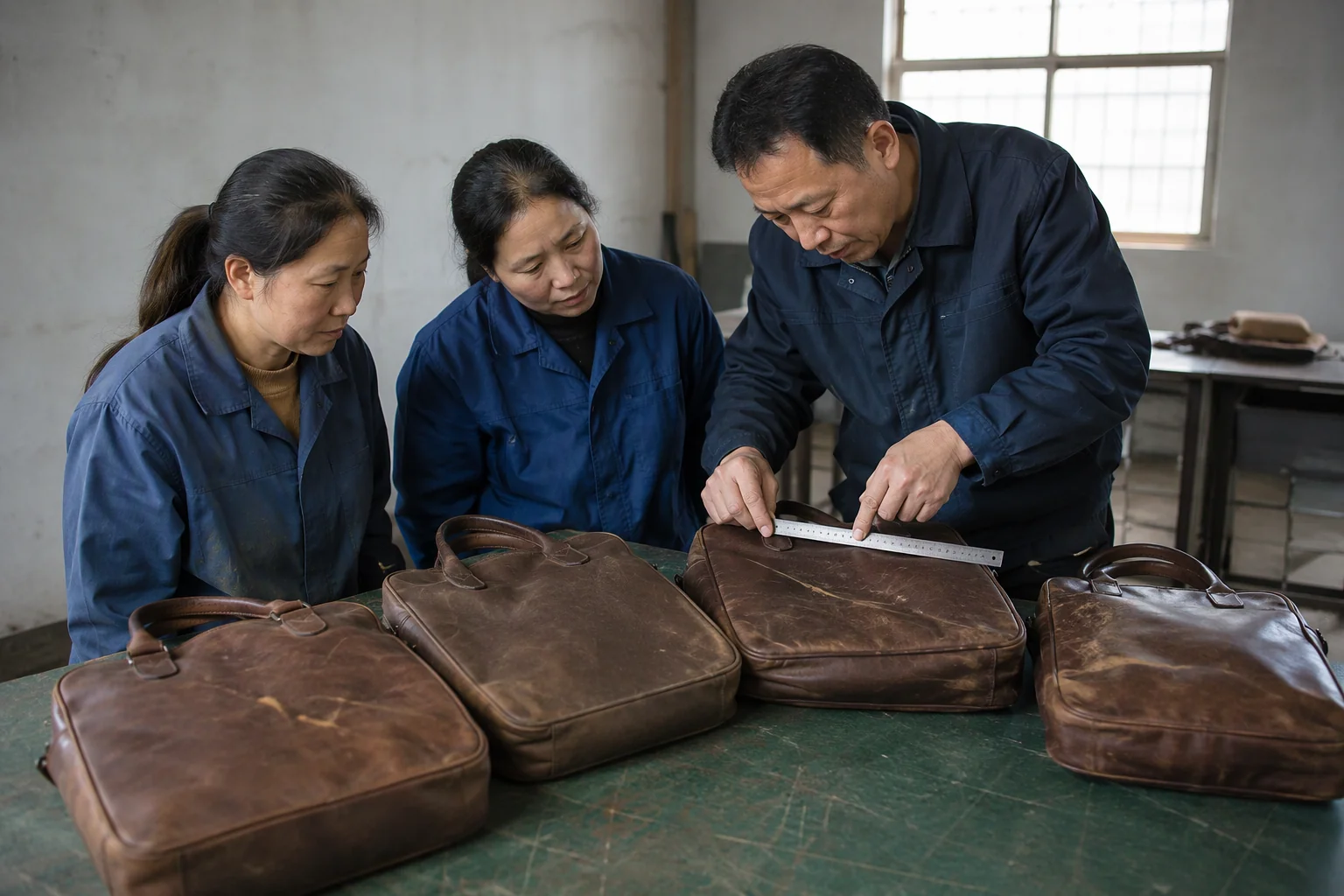
Where the defect is cosmetic, sorting separates acceptable, concession and scrap. The grades must be defined in writing before sorting starts, or the sort becomes an argument between the sorter and the supervisor.
The Cost of Sorting
Sorting is charged in labour hours and in the value of what it rejects. Recording that cost is what makes the eventual corrective action worth funding, because prevention is always cheaper than a week of sorting.
Grading the Suspect Work
Three Grades, One Page
Every sorting exercise needs written grades: acceptable, concession and scrap. Without them the sorter invents a standard, and the second sorter invents a different one.
| Grade | Definition | Action | Who decides |
|---|---|---|---|
| Acceptable | Meets the signed sample and the written limits | Return to normal flow | Quality lead |
| Concession | Outside the limit but saleable with disclosure | Offer to brand with price | Brand, on factory proposal |
| Reworkable | Fault can be corrected without visible trace | Rework, then full re-check | Quality lead with production |
| Scrap | Fault cannot be corrected economically | Remove from stock, record loss | Production manager |
| Undecided | Criterion missing or disputed | Hold in quarantine | Meeting owner, same day |
Why the Fifth Row Exists
The most common failure in sorting is an item nobody can classify, which stays in the pile and re-enters production by accident. Naming that category and its owner prevents the accident.
Recording the Split
Counts by grade, per operation, feed the spike log and the cost of the event. A sort with no counts cannot be costed, and an event that cannot be costed is never prevented.
Finding the Cause
The Five Inputs That Change
Almost every spike traces to a change in material, machine, method, manpower or measurement. Listing what changed since the last good batch, in each of the five, usually narrows the search to one or two candidates within an hour.
Following the Batch
The batch is the most useful unit of investigation. Which leather lot, which operator, which machine, which shift, which day. A defect that clusters by lot points upstream; one that clusters by shift points at people or settings.
Asking the Operator
The person running the operation usually knows what changed and is rarely asked in a way that produces an answer. Ask what feels different today, not who is at fault.
The Usual Suspects in a Bag Factory
Material
A new leather lot with a different temper, a lining that skived differently, a thread that breaks more often, a hardware batch with a rough edge. Material changes are the most common single cause and the easiest to confirm from lot records.
Machine
A machine that drifted out of adjustment, a needle that should have been changed, a feed dog worn smooth, a press whose pressure was altered. Machines fail quietly, and the first evidence is usually a change in stitch appearance.
Method and Manpower
A new operator on a critical operation, a step skipped under time pressure, a supervisor’s shortcut that became practice. These cluster by shift and by person, which is why batch analysis finds them quickly.
Measurement
Sometimes the product did not change and the measurement did: a new inspector, a different light, a gauge that was dropped. A spike that appears only in one inspector’s figures should be checked before the product is blamed.
| Cause family | Typical evidence | Fastest confirmation |
|---|---|---|
| Leather lot | Defects cluster by lot or colour | Pull the lot record and compare temper |
| Thread or lining | Breakage, puckering, seam grin | Compare spool batch with the previous lot |
| Machine setting | Sudden uniform change in stitch | Check adjustment log and needle change |
| New operator | Defects cluster by shift or station | Compare output of the two operators |
| Skipped operation | Missing reinforcement, no topstitch | Walk the sequence with the supervisor |
| Measurement drift | Only one inspector reports the rise | Re-measure the same units twice, blind |
| Specification ambiguity | Disputes about what is acceptable | Read the criterion aloud to both sides |
Reading the Table
The right-hand column matters more than the middle. A cause that cannot be confirmed within an hour in a factory this size is usually not the cause, and the search should move on rather than settle.
When the Cause Is the Leather
Lot and Batch
Leather varies by lot, and a lot that is technically within specification can still behave differently on the line: stiffer, stretchier, more prone to marking. The lot record and the physical reference sample settle the question quickly.
Temper and Thickness Drift
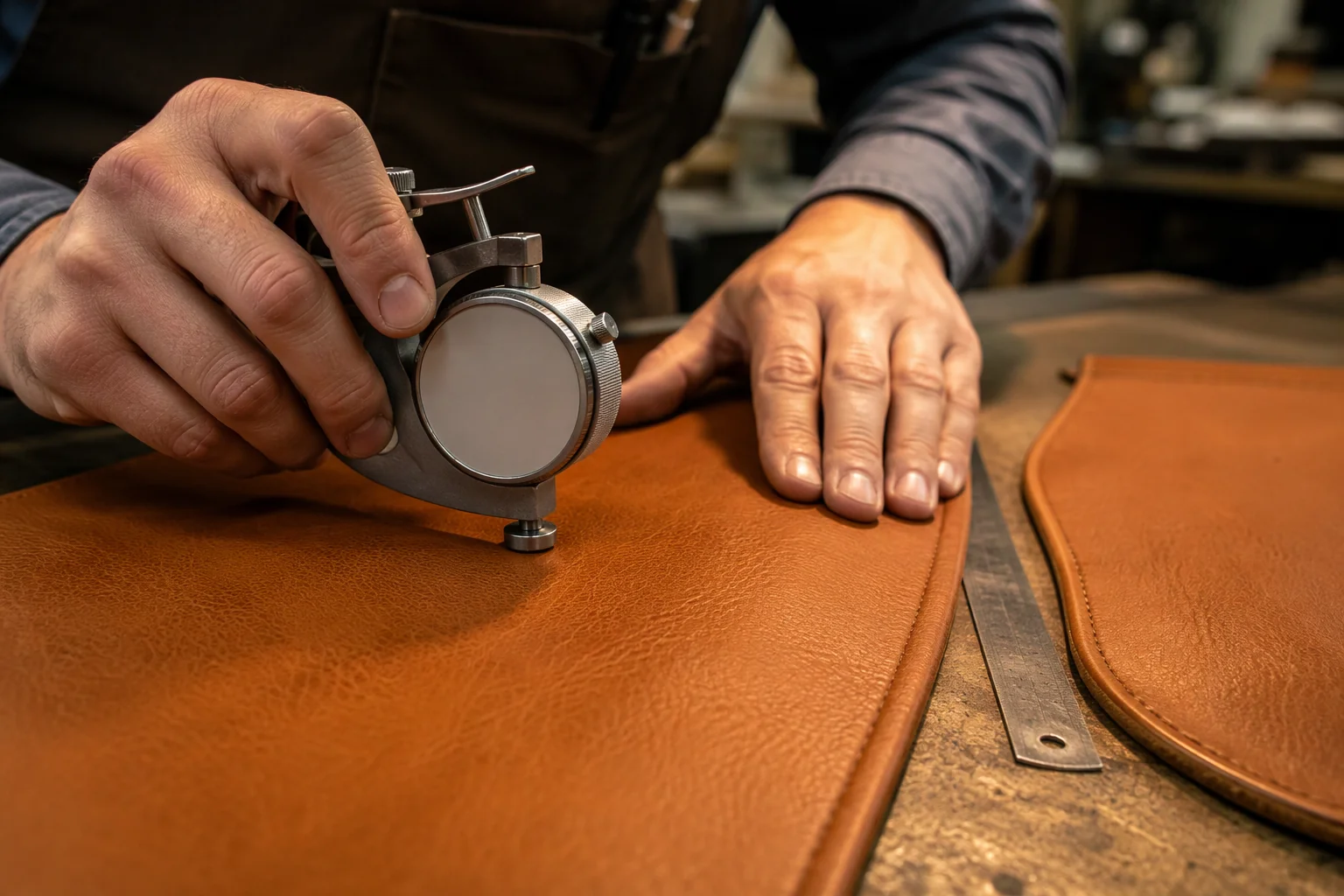
A drift of a few tenths of a millimetre changes how a panel feeds, folds and takes a stitch. Thickness measured at goods-in, at three points per hide, catches the drift before it reaches the line.
What the Tannery Needs to Hear
A tannery can only respond to specifics: which lot, which panels, which operation, what was observed. “The leather is bad” produces a polite reply; a batch reference with photographs produces an investigation.
When the Cause Is the Machine
Settings and Drift
Stitch length, tension, presser pressure and feed timing all drift with wear. A setting written on a card beside the machine is only useful if someone checks it against the machine.
Maintenance Deferred
Deferred maintenance appears as a rate rise rather than a breakdown. The service log is the first document to read, and the most common finding is a service that was postponed during a busy month.
The Machine That Was Moved
A machine that was relocated, borrowed or repaired often returns slightly different. Any movement of equipment since the last good batch belongs on the change list.
When the Cause Is People
New Operators
A new operator on a critical operation produces a clustered defect pattern that looks like a material problem until the batch is split by person. Training records and the first-piece checks tell the story.
Speed Pressure
When a target is raised, the first thing that degrades is the operation with the smallest margin for error. A rate rise that coincides with a schedule change is a rate rise caused by the schedule.
Training That Was Assumed
Many operators are trained once, on one style, and then moved. A spike on a style the operator has not run before is a training gap rather than a discipline problem.
When the Cause Is the Specification
The Impossible Requirement
Some spikes are caused by a requirement that cannot be met consistently, and the line has been compensating quietly for months. When the compensation stops working, the rate rises.
Conflicting Criteria
Two documents that disagree, or a sample that contradicts the specification, produce a line that satisfies one and fails the other. The spike is the moment the conflict becomes visible.
Sample Drift
A signed sample that has aged, faded or deformed is no longer a reference. Where the approved sample has drifted, the line is being measured against something that no longer represents the product.
Corrective Action That Sticks
Fix the Cause, Not the Symptom
Adding a final inspection station treats the symptom. The corrective action must change the input that caused the defect, whether that is a lot, a setting, a sequence or a criterion.
Verify on the Next Batch
The action is not closed when it is implemented; it is closed when the next comparable batch runs at the baseline rate. Anything earlier is an intention.
Update the Documents
Whatever changes must reach the specification, the operation sheet and the training note. A correction that lives only in the supervisor’s memory will be lost with the supervisor.
The Paper Trail a Spike Needs
Lot Records
Without a lot number for leather, thread, lining and hardware, a spike can only be investigated by guesswork. The record costs a few minutes at goods-in and saves days at the moment it is needed.
Inspection Records
Records must carry time, operation and operator, not only a daily total. A daily total shows that something happened; it cannot show where or when.
The Photo Log
Photographs of the defect, taken at a consistent scale, settle most disputes with a tannery, a hardware supplier or a brand. A photograph with a ruler in frame is worth ten descriptions.
When the Spike Crosses a Shipment Date
Pre-empting the Deadline
As soon as the scope is known, check it against the shipment date. A spike discovered two days before loading is a different problem from one discovered three weeks before, and only the second can be solved properly.
Partial Shipments
Splitting the order is often the least bad option: ship the portion that is verified, hold the rest. It costs a second set of documents and preserves the relationship better than shipping a doubtful batch whole.
The Cost of Splitting
Freight, paperwork and a second inspection all add cost, and the brand usually bears some of it. Presenting the arithmetic honestly in the first conversation is what makes the choice a decision rather than an argument.
Spikes on a New Style’s First Run
Expected Versus Unexpected
A first run always has a higher rate than a repeat, and confusing the two produces either panic or complacency. The baseline for a first run is the factory’s history with similar constructions, not with this exact style.
The Learning Curve
Most of the reduction on a new style happens in the first few hundred units. If the rate is still rising after that, the cause is not learning; it is a defect in the method or the material.
When to Reset
If a first run cannot reach an acceptable rate after a defined number of units, stop and re-plan rather than continue and sort. Continuing converts a development problem into a delivery problem.
Spikes Caused by a Substitution
Unapproved Substitution
A component replaced without approval is the most damaging kind of change, because nothing in the paperwork explains the defect. The first question in any unexplained spike is whether anything was substituted.
Approved but Untested
An approved substitution can still fail if it was approved on paper rather than on a bag. Approval should be tied to a tested sample, not to a specification sheet that matches.
How to Catch It
Comparing the component in hand with the approved sample takes a minute and should happen at every goods-in. Most substitutions are discovered months later, in a claim.
Two Spikes at Once
Rank by Consequence
When two problems appear together, rank them by what they cost if unresolved, not by which is easier to fix. The easier problem usually gets the attention and the expensive one gets the claim.
Share the Investigation
Both spikes may share a cause. A thread change, a humidity change or a new supervisor can produce two apparently unrelated patterns, and investigating them separately doubles the work.
Avoid Blaming the Wrong One
Acting on the first plausible cause while a second is active produces a correction that appears to fail. The result is usually a loss of confidence in the whole investigation.
The Role of the Brand’s Inspector
Duplicate Findings
Where a brand’s inspector is on site, agree who reports what and how findings are shared. Two parallel defect lists create two versions of the truth and one argument.
Access and Boundaries
The inspector needs access to the line and to the records, and should not direct operators. Clarifying this in advance prevents the line from receiving two sets of instructions.
Joint Sorting
Sorting alongside the brand’s inspector, using the same written criteria, removes most post-shipment disputes. It also makes the criteria explicit, which is useful long after the spike is closed.
Recovering the Line After Containment
Restart Discipline
Restarting after a stop requires the same discipline as a first run: confirm the setting, make the first piece, check it against the sample, then continue. The temptation is to restart at full speed.
Cleaning the Station
Suspect work, offcuts and rejected parts are removed from the station before production resumes. A rejected panel left within reach is a rejected panel that gets used.
Rebuilding Confidence
Operators who worked through a spike need to know what changed and what is now expected. A short briefing at the station does more than a notice on a board.
Keeping a Record of Spikes
The Spike Log
One line per event: date, style, operation, rate, cause, action, days lost. The log takes five minutes to write and is the only way to see patterns across a year.
Patterns Over a Year
Three spikes on the same operation, or on the same supplier’s lots, are a system problem rather than three accidents. The log makes that visible before the fourth.
What the Log Is For
Not for audits, and not for blaming. It exists so that the factory stops rediscovering the same cause, which is the most common form of waste in a bag workshop.
Training the Response
A Drill
Running one drill a year, on a quiet week, with a simulated spike, exposes whether anyone knows who is in charge. It is uncomfortable and it is cheaper than learning during a real one.
The One-Page Protocol
A single page: who stops the line, where suspect work goes, which five inputs to check, who calls the brand, when the review happens. One page is read; ten pages are filed.
Who Is On Call
The response needs a named deputy for holidays and night shifts. A spike that waits for one person to return from a trip is a spike that runs for three days.
Communication During a Spike
Internally
The line should know what is being contained and why, without being told who is to blame. Silence produces rumour, and rumour produces the hiding of defects.
To the Brand
Tell the brand as soon as the scope is known, with a date for the next update. A brand that hears about a problem from its own inspection is a brand that stops trusting the factory’s reports.
What Not to Say
Do not promise a cause before it is confirmed, and do not describe a containment measure as a fix. Both are remembered when the next spike arrives.
Deciding What to Ship
Concession and Its Price
Shipping a concession means the brand accepts a defined deviation, in writing, with the price attached. An undocumented concession is a future claim with no defence on either side.
Delay Versus Defect
The decision is usually a trade between a delay and a defect rate, and it belongs to the brand once the facts are clear. Factories that decide alone take a risk they cannot price.
The Honest Conversation
The most useful sentence in this situation is the plain one: what happened, what is contained, what is confirmed, what is not yet known, and when the answer comes.
Humidity, Heat and Seasonal Effects
Leather in the Wet Season
Leather takes up moisture, and a humid week changes how it cuts, skives and folds. Spikes that appear each year at the same time are seasonal, and they respond to storage and conditioning rather than to inspection.
Adhesive and Fusing
Heat and humidity affect fusing and adhesive performance more than most factories allow for. A batch that fails to bond in a damp week is not a bad batch; it is a process that was not adjusted.
Storage Conditions
Stock kept against an outside wall, on the floor, or under a metal roof behaves differently from stock kept dry and ventilated. Where a spike correlates with a delivery that sat in the wrong place, the storage is the cause.
Costing the Event
Direct Cost
Sorting hours, rework hours, scrapped material and the freight of a split shipment are the visible part. Adding them up takes an hour and usually produces a number that justifies prevention.
Opportunity Cost
The line that spent three days sorting did not make anything else. That lost output is the larger figure in most factories and the one that never appears in a report.
What to Put in Front of Management
One page: units affected, grades, days lost, cost, cause, and the one change proposed. A spike review that ends with a cost figure gets funding; one that ends with adjectives does not.
The cheapest moment to solve a defect spike is the hour it is discovered. Every hour after that buys the same answer at a higher price.
Small Factories Without a Quality Department
The Owner’s Hour
In a workshop without a quality function, the owner spends one hour at the point of the spike, not in the office. The presence of the person who can stop the line changes what the line reports.
Three Numbers
Even without records, three numbers can be reconstructed by hand: units made, units rejected, and the operation where they were rejected. That is enough to start the five-input check.
Borrowing Help
A leather supplier’s technician or a friendly factory’s quality lead can usually be borrowed for a day. The question they ask first is the one the factory has stopped asking itself: what changed?
Learning After the Event
The Short Review
A one-hour review within a week, with the people who were in the room, is worth more than a formal report written a month later. Its output is one or two changes, not a document.
One Change, One Owner
Each change gets a name and a date, and it is checked on the next batch. Reviews that produce five changes produce none, because nobody follows five.
Sharing With the Line
The finding belongs on the line, in plain language, at the operation where it happened. A lesson that stays in the office changes nothing on the table.
A defect spike is not a failure of inspection. It is a change that arrived without being noticed, and the response is to find the change rather than to inspect harder.
What the Brand Should Not Do
Panic Escalation
Demanding daily reports and an immediate cause in the first hour pushes the factory to guess. A guessed cause produces a correction that fails, and the second week is worse than the first.
Silent Switching
Moving the order to another factory without telling the first is the fastest way to lose the only people who understand the fault. Handled openly, a spike usually strengthens the relationship.
Ignoring the Root Cause
Accepting a discount in place of a correction is a decision to buy the same defect again next season. The discount is real, and so is the second spike.
Preventing the Next Spike
- Keep a baseline for rejection rate by style, line and operation
- Record lot numbers for leather, thread, lining and hardware on every batch
- Log machine settings and check them after any service or move
- Track first-piece checks with time, operator and result
- Record which operator worked which operation on which shift
- Review any week that exceeds the baseline, not only the bad ones
- Require a written criterion for every defect grade
- Keep a signed reference sample and replace it when it ages
- Ask the line what changed whenever a rate moves, before analysing anything
- Close corrective actions only when a comparable batch meets the baseline
Frequently Asked Questions
What is the first thing a factory should do when a defect rate rises?
Stop producing suspect goods and isolate what has already been made. Containment comes before analysis, because every hour of continued production adds units that will later need sorting or scrapping.
How do we know whether a rise is real?
Compare counts over comparable volumes against a baseline for the style, the line and the operation. Small volumes produce jumpy percentages, so check whether the rise persists over a second day before reacting.
How much should be quarantined?
Everything made since the last known-good check on the affected operation. Segregating by time is reliable; segregating by appearance leaves the most convincing-looking faulty units in circulation.
Is 100% inspection the right response?
As a temporary containment measure, yes. As a solution, no. Full inspection protects the customer while the cause is found, and becomes a permanent hidden cost if it is never removed.
What are the most common causes of a sudden rise?
A change in material, machine, method, manpower or measurement. In bag factories, a new leather lot and a changed machine setting are the two most frequent, followed by a new operator on a critical operation.
How fast should the cause be found?
Within a day in most cases, and within an hour for the majority of material and machine causes. A cause that cannot be confirmed quickly is often not the cause, and the search should move to the next candidate.
What if the leather is within specification but behaves differently?
Leather can meet its written specification and still behave differently on the line because of temper or thickness variation within tolerance. Measure thickness at goods-in and keep a physical reference for each lot.
Should the brand be told immediately?
Tell the brand as soon as the scope is known, with a date for the next update. Waiting until the cause is confirmed is usually the right approach for the cause, and the wrong approach for the scope.
Can we ship the affected goods?
Only as a written concession that defines the deviation and its price. An undocumented concession creates a claim that neither side can resolve, because neither has evidence.
How is a corrective action closed?
When the next comparable batch runs at the baseline rate and the documents have been updated. Implementing a change is not closing an action; verifying it on production is.
What makes a spike likely to repeat?
A correction that lives in one person’s memory, a containment measure left in place as a substitute for a fix, and a review that produced several changes with no named owners.
Conclusion
A defect spike is frightening because it arrives without a visible cause, and it is manageable because it always has one. The sequence that works is unglamorous: stop the line, isolate suspect work by time, sort what exists, list what changed across material, machine, method, manpower and measurement, and confirm the cause before acting on it.
The two failures that cost the most are inspecting harder instead of investigating, and deciding to ship before the facts are in. Both feel like action in the first hour and both postpone the real cost to a later, more expensive moment.
For a brand, the useful test of a factory is not whether it has defects, but whether it can describe a spike in that sequence: what was contained, what changed, what was confirmed, and what the next batch proved.
